
-
 Continue reading →: “Trade Everyday Life for Living” by Franziska Schmitt
“Trade Everyday Life for Living” chronicles Franziska Schmitt’s transformative year-long journey across Asia. Leaving behind her successful career and familiar life, she seeks fulfillment and answers to life’s deeper questions. The memoir evolves from mere travel experiences to profound self-discovery, highlighting personal growth, changing perspectives, and the pursuit of a…
-
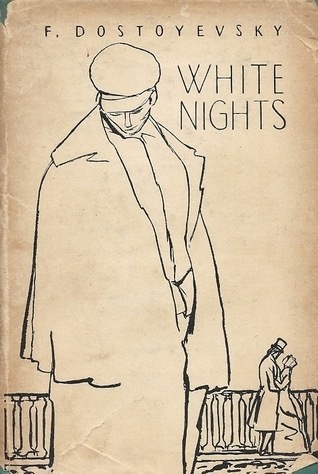 Continue reading →: “White Nights” by Fyodor Dostoevsky
Fyodor Dostoevsky’s “White Nights” is a brief, intimate story set in Saint Petersburg, exploring themes of loneliness and human connection. The narrative follows a young man and Nastenka as they bond over four nights, reflecting on love and longing. Ultimately, Nastenka reunites with her former love, leaving the narrator contemplative…
-
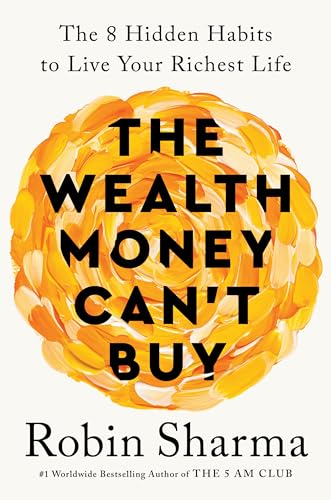 Continue reading →: “The Wealth Money Can’t Buy” by Robin Sharma
Robin Sharma’s “The Wealth Money Can’t Buy” presents a broader understanding of wealth beyond financial success, emphasizing eight life areas: Growth, Wellness, Family, Craft, Money, Community, Adventure, and Service. While it offers practical advice, the content felt superficial, lacking depth and originality for experienced readers in personal development.
-
 Continue reading →: “The Suicide Club” by Robert Louis Stevenson
**Summary (≈50 words):** *The Suicide Club* by Robert Louis Stevenson follows Prince Florizel and Colonel Geraldine as they uncover a secret society where desperate men gamble with their lives through a deadly card game. Determined to stop the sinister president, they pursue him across London and Paris, leading to a…
-
 Continue reading →: Why you should read at least an hour every day: 5 Reasons
Reading empowers individuals to think independently, develop mental toughness, and enhance attention spans, providing a significant competitive advantage. It builds knowledge, reduces mistakes, and fuels inspiration from the lives of great historical figures. Ultimately, daily reading fosters deep understanding and personal growth in a world dominated by superficial information.
-
 Continue reading →: “Chocolat” by Joanne Harris
Joanne Harris, an author and former French teacher, draws from her childhood in a Yorkshire sweet shop to create the rich, immersive world of her novel “Chocolat.” The story contrasts Vianne Rocher’s chocolate shop against a pious village, exploring themes of pleasure versus piety and the complexities of personal freedom…
-
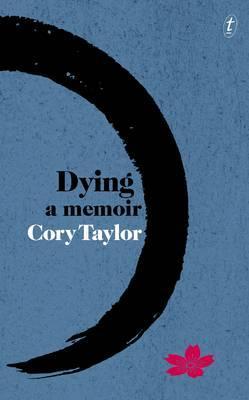 Continue reading →: “Dying: a Memoir” by Cory Taylor
Cory Taylor, an Australian writer, explores her life in “Dying: A Memoir,” reflecting on family and relationships while confronting her terminal melanoma diagnosis. The memoir balances memories of her past with insights into living with illness, ultimately revealing a profound journey of acceptance and self-discovery as she faces death.
-
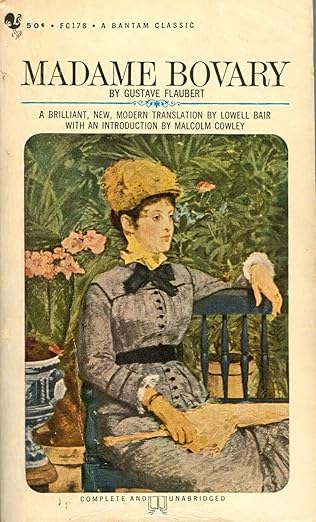 Continue reading →: “Madame Bovary” by Gustave Flaubert
Gustave Flaubert, known for his obsessive attention to detail, wrote “Madame Bovary,” a novel about Emma Bovary, a discontented woman seeking romance and excitement. Her affairs lead to debt and disillusionment, ultimately culminating in tragedy. The book critiques bourgeois society’s values, revealing the flaws and emptiness of its characters, evoking…
-
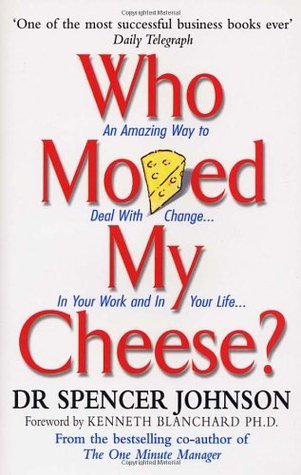 Continue reading →: “Who Moved My Cheese?” by Spencer Johnson
Spencer Johnson, an influential author, wrote “Who Moved My Cheese?” which allegorically explores change and adaptability. The story follows four characters in search of cheese, symbolizing success, facing unexpected change. While Sniff and Scurry adapt quickly, Hem resists. Ultimately, the book serves as an accessible introduction to personal growth themes.
-
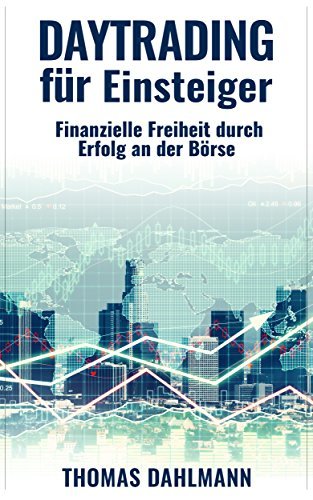 Continue reading →: “Daytrading for Beginners” by Thomas Dahlmann
Thomas Dahlmann’s “Daytrading for Beginners” is an introductory guide designed for new traders, explaining market fundamentals, technical analysis, and trading psychology. The book emphasizes risk management and structured trading plans, offering practical strategies. While informative, it highlights that mastering trading requires more than just theoretical knowledge; experience and discipline are…
Hello!
I’m Sandro

Welcome to BooksTerra. I’m passionate about books and love sharing insightful reviews and engaging literary discussions. Join me on a journey through the world of reading, where every book tells a story.
Let’s connect
Join the fun!
Stay updated with our latest insights and recommendations by joining our newsletter.

